does a drug test check for alcohol What do these results mean? drug testing results explanations
Have you ever wondered what the results of a drug test really mean? Are you curious about how long alcohol stays in your system and how it’s processed? Today, we’re going to dive into these topics and provide you with some valuable insights.
Understanding Drug Testing Results
Drug testing is a common practice in various settings, including the workplace. The results of a drug test can have significant implications, so it’s essential to understand what they mean.
 When it comes to drug testing, there are a few possible outcomes. A negative result means that no drugs were detected in the individual’s system. This is great news and indicates that the individual has not used any illicit drugs recently.
On the other hand, a positive result means that drugs were found in the person’s system. This can be a cause for concern, as it suggests that the individual has been using drugs. However, it’s important to note that a positive result does not always mean the person is currently impaired by drugs. Some drugs can stay in the system for an extended period, even after the effects have worn off.
Another possible outcome is an inconclusive result. This occurs when the test does not provide a clear indication of whether drugs were present or not. In such cases, further testing may be required to obtain more accurate results.
Alcohol Detection Time and Processing
Alcohol is one of the most commonly consumed substances worldwide. However, it’s crucial to understand how long it can stay in your system and how it is processed.
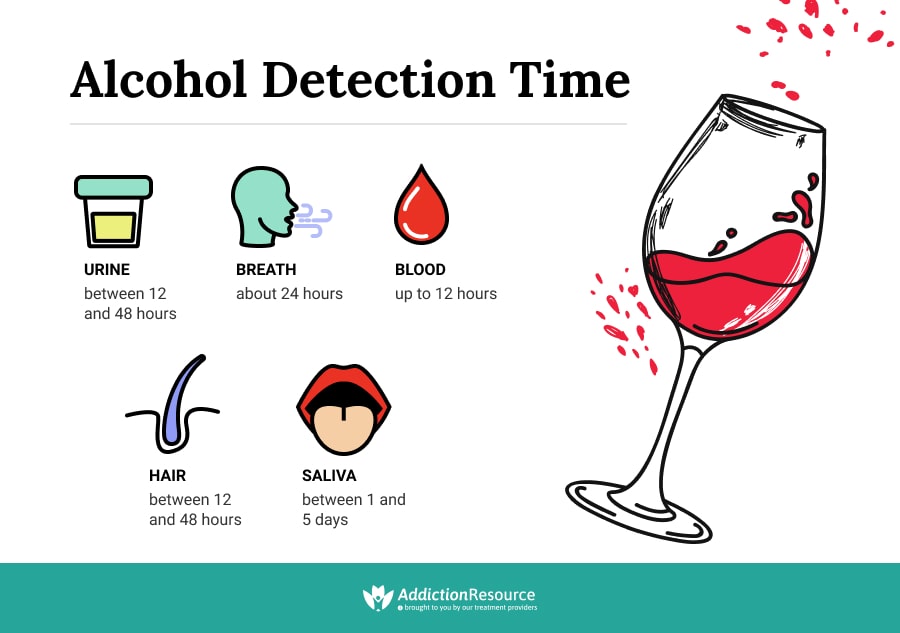 The detection time of alcohol varies depending on several factors. These include the amount of alcohol consumed, the individual’s metabolism, and whether they have eaten food while drinking. Typically, alcohol can be detected in the breath, blood, urine, and even hair.
Alcohol is primarily metabolized by the liver. The liver breaks down the alcohol into acetaldehyde, a toxic substance, and then further metabolizes it into acetate, which is harmless. The body then eliminates acetate through urine and breath.
The processing of alcohol is time-dependent. On average, it takes about one hour for the liver to process one unit of alcohol. To put it into perspective, a standard alcoholic drink typically contains around 14 grams of pure alcohol or one unit.
Keep in mind that different individuals may process alcohol at different rates. Factors such as body weight, age, gender, and overall health can influence how quickly alcohol is metabolized and eliminated from the body.
Remember, if you ever have any questions or concerns about drug testing results or alcohol metabolism, it’s best to speak with a healthcare professional. They can provide personalized advice and guidance based on your specific situation.
Stay informed and make responsible choices!
If you are searching about Occupational Health in Utah, Iowa, Wyoming | Sterling Urgent Care you’ve came to the right place. We have 5 Images about Occupational Health in Utah, Iowa, Wyoming | Sterling Urgent Care like How Does a Blood Drug Test Work?, Occupational Health in Utah, Iowa, Wyoming | Sterling Urgent Care and also Random Drug and Alcohol Testing Procedures. Read more:
Occupational Health In Utah, Iowa, Wyoming | Sterling Urgent Care
 www.sterlingurgentcare.comdrug test testing screening alcohol urine gabapentin does show store health occupational employment screenings program pre
How Long Does Alcohol Stay In Your System? How Is It Processed?
addictionresource.comethanol absorption depends excretion
What Do These Results Mean? Drug Testing Results Explanations | Work
www.workpartnersmd.comdrug testing results explanations mean these 2021
Random Drug And Alcohol Testing Procedures
 jumpseatnews.comdrug testing test alcohol pass random procedures ways elines autopulse zoll source does
How Does A Blood Drug Test Work?
 relialabtest.comDrug testing test alcohol pass random procedures ways elines autopulse zoll source does. What do these results mean? drug testing results explanations. Ethanol absorption depends excretion