how much protein powder to lose weight Protein weight much take lose should bodybuilding
Are you a fitness enthusiast who loves to push your limits at the gym? Chances are, you’ve probably heard about the benefits of protein powder in supporting muscle growth and recovery. But have you ever wondered if you could be having too much protein? Today, we’re here to address this common concern and provide you with some insights.
Understanding the Role of Protein
Before we delve into the topic, let’s take a moment to understand the importance of protein in our bodies. Protein plays a vital role in various physiological processes, including muscle building, tissue repair, and hormone production.
When you engage in intense workouts, your muscle fibers undergo microscopic damage, and protein helps in repairing and rebuilding these damaged fibers to make them stronger and more resilient. Additionally, protein is known to increase satiety levels, making you feel full and satisfied after a meal.
How Much Protein is Too Much?
While protein is undoubtedly essential, it’s crucial to strike a balance and not go overboard. The recommended daily protein intake varies depending on factors such as age, sex, activity level, and overall health.
For the average sedentary adult, the recommended dietary allowance (RDA) for protein is about 0.8 grams of protein per kilogram of body weight. However, athletes and individuals engaged in intense physical activities may need more protein to support their increased muscle protein synthesis and recovery.
It’s generally agreed that consuming 1.2-2.2 grams of protein per kilogram of body weight per day is sufficient for most people engaged in regular exercise. Consuming excessively high amounts of protein may not provide any additional benefits and could potentially have some drawbacks.
The Potential Downsides of Excessive Protein
When it comes to protein intake, more isn’t always better. Exceeding your body’s protein needs consistently can put a strain on your kidneys and liver. These organs are responsible for metabolizing protein, and excessive intake may lead to complications, especially in individuals with pre-existing kidney or liver conditions.
Moreover, consuming large amounts of protein often means neglecting other essential nutrients, such as carbohydrates, healthy fats, vitamins, and minerals. A well-rounded diet that includes a variety of macronutrients is crucial for overall health and optimal performance.
Finding the Right Balance
So, how do you find the right balance when it comes to protein intake? Firstly, it’s important to assess your individual needs and goals. If you’re a recreational exerciser or engage in moderate activity, aiming for the lower end of the protein range (around 1.2 grams per kilogram of body weight) is generally sufficient.
On the other hand, if you’re an athlete or engage in intense training sessions, you may consider consuming protein towards the higher end of the range (around 2.2 grams per kilogram of body weight). However, it’s important not to go beyond this upper limit for an extended period without proper guidance from a healthcare professional or a registered dietitian.
Choosing the Right Protein Powder
If you decide to incorporate protein powder into your diet, it’s essential to choose a high-quality product that suits your specific needs. There are various types of protein powders available, such as whey, casein, soy, and plant-based options like pea, hemp, or rice protein.
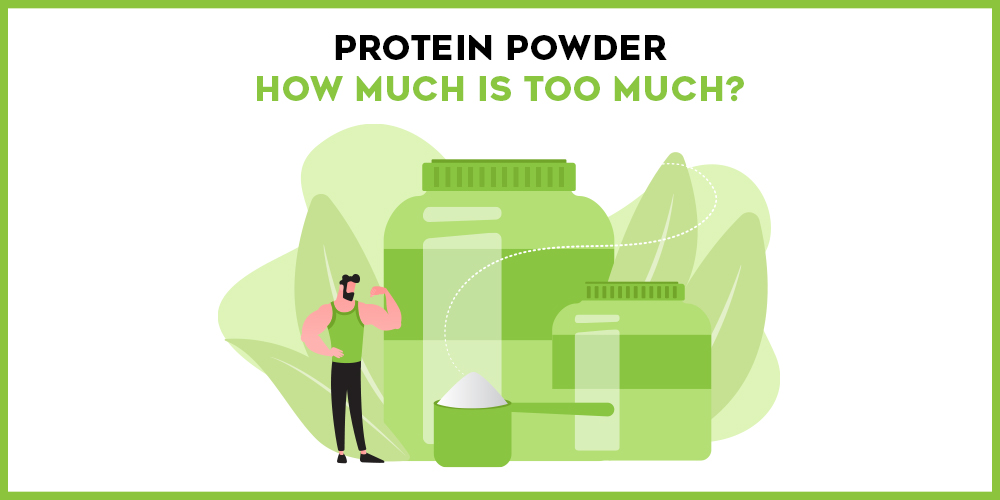 Consider factors such as your dietary preferences, allergies, and whether you follow a vegetarian or vegan lifestyle when selecting the best protein powder for you. Reading product labels, researching reputable brands, and consulting with a healthcare professional can help you make an informed choice.
Conclusion
While protein powder can be a beneficial addition to your fitness routine, it’s essential to consume it in moderation and based on your individual needs. Strive for a balanced diet that includes a variety of nutrient-dense whole foods to ensure you’re meeting all your nutritional requirements.

If you are searching about 5 Ways Protein Powder Helps You Lose Weight | Unico you’ve came to the right page. We have 5 Pics about 5 Ways Protein Powder Helps You Lose Weight | Unico like How Much Protein Should I Take To Lose Weight? | Bodybuilding.com, How Much Protein Powder Do Need To Take When Working Out? and also How Much Protein Powder Do Need To Take When Working Out?. Here it is:
5 Ways Protein Powder Helps You Lose Weight | Unico
 uniconutrition.comprotein
Could You Be Having Too Much Protein? - Clean Health Fitness Institute
cleanhealth.edu.auprotein much too having could macronutrient regarded fact often means greek important word most
How Much Protein Should I Take To Lose Weight? | Bodybuilding.com
 www.bodybuilding.comprotein weight much take lose should bodybuilding
How Much Protein Powder Do Need To Take When Working Out?
 www.gghc.orgprotein
Protein Powder For Weight Loss ~ Solution For About Motivation Weight
5 ways protein powder helps you lose weight. Protein weight much take lose should bodybuilding. How much protein powder do need to take when working out?